
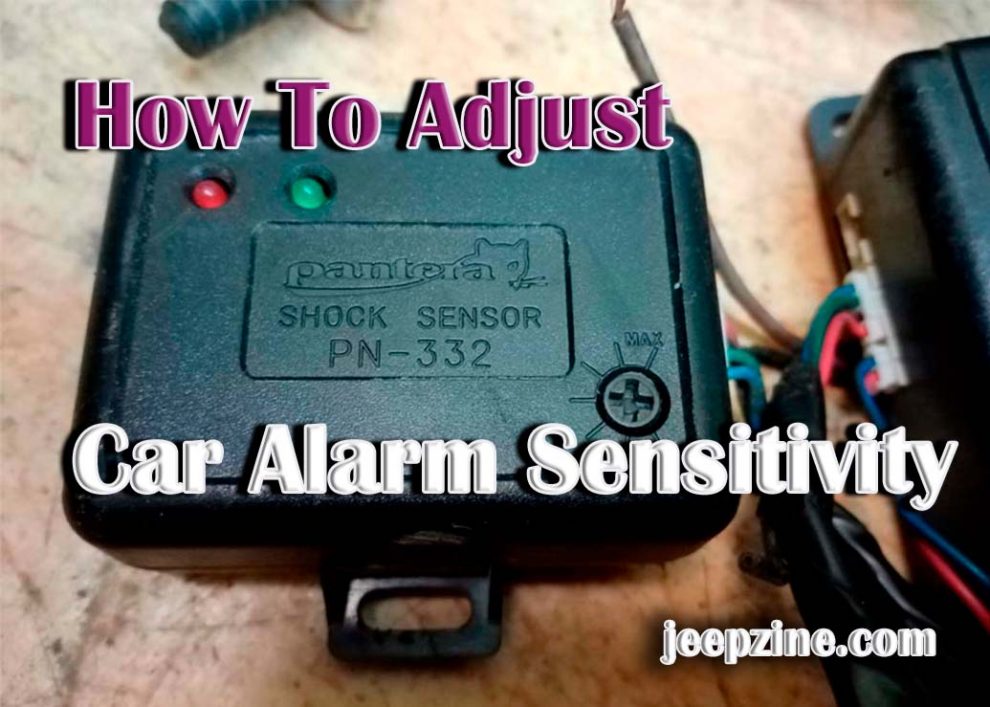

Car alarms are great for keeping your vehicle safe and secure, but false alarms can be annoying and distracting. Adjusting the sensitivity of your car alarm can help reduce the number of false alarms, ensuring you only get alerted when there is an actual threat. In this guide, we’ll discuss factors that affect car alarm sensitivity, how to identify the right sensitivity level for your vehicle and the tools and materials needed to adjust it effectively.
Factors Affecting Car Alarm Sensitivity
Several factors can affect the sensitivity of a car alarm, including environmental conditions like wind or rain. Other factors, such as vibration or loud noises from nearby traffic, can also cause the alarm to go off even when there’s no real threat. It’s important to set the right sensitivities so that the car alarm triggers only when necessary.
Identifying The Right Sensitivity Level
 Common Sensitivity Issues
One common issue with car alarms is oversensitivity, which is that it triggers too easily with little to no provocation. On the other hand, some systems may be under-sensitive, which causes them to miss potential threats such as attempted break-ins or vandalism. Knowing what issues you’re dealing with can help you identify the ideal sensitivity level for your vehicle.
Determining the Ideal Sensitivity for Your Vehicle
The ideal sensitivity level for your car alarm depends on several factors, including how often and where you park it and environmental conditions. To get an accurate reading, test the system in different scenarios to see how it performs. Make slight adjustments to find the perfect balance between oversensitivity and under-sensitivity.
Tools and Materials Needed
Essential Tools for Adjusting Sensitivity
To adjust the sensitivity of your car alarm, you’ll need a few essential tools, including a multimeter or voltage tester and a small screwdriver. These tools will help you measure voltage, check continuity between wires and adjust the sensitivity settings.
Additional Supplies for Safety and Convenience
In addition to these tools, having basic safety supplies such as gloves, safety glasses, and protective clothing is also important. You can also invest in a car alarm system manual that will provide instructions on correctly adjusting the sensitivity settings. These items can make adjusting your car alarm much easier and safer.
Locating the Alarm System Components
Understanding Your Car Alarm System
Before you start adjusting the sensitivity settings, it’s important to understand how your car alarm system works. Most systems are connected to several components, such as door locks, sirens and sensors. Getting familiar with these components can help you locate the control module and sensitivity adjustment switch quickly.
Finding the Control Module and Sensitivity Adjustment
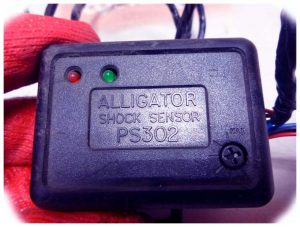
The control module is usually located in the engine bay or behind a dashboard panel. Once you’ve found it, look for a small switch or dial marked “sensitivity”—this is what you will use to adjust the sensitivity of your car alarm system. If necessary, refer to your car alarm system manual for more specific instructions on locating these components.
Adjusting The Car Alarm Sensitivity
Accessing The Sensitivity Control
Once you’ve found the control module, use a multimeter or voltage tester to check if power is running through it. If there is no power running through it, check that all wires are securely connected and that none of them has become loose or disconnected over time. Once power is running through the module, you can access the sensitivity control.
Making The Necessary Adjustments
Now that you’ve accessed the sensitivity control, it’s time to make the necessary adjustments. Depending on your car alarm system, the adjustment will either be a switch or a dial. If it’s a switch, simply move it to “off” or “low” to reduce sensitivity. If it’s a dial, move it clockwise to decrease sensitivity and counter-clockwise to increase sensitivity.
 Testing The New Sensitivity Level
Once you’ve adjusted and set the new sensitivity level, please test it out in different scenarios, such as windy conditions or loud noises from nearby traffic. This will help ensure that your car alarm is still sensitive enough to detect potential threats but not so sensitive that false alarms become an issue.
Troubleshooting Common Car Alarm Issues
Addressing False Alarms
False alarms can be annoying and may even lead to fines if they occur too often in public places such as parking lots or garages. To reduce false alarms, check that all wires are securely connected and ensure you’ve adjusted the sensitivity settings correctly. If necessary, you may need to increase the sensitivity slightly.
Dealing with Insensitive Alarms
If your car alarm is too insensitive, it may not alert you to potential threats such as attempted break-ins or vandalism. Reduce the distance between components such as door locks and sensors to increase sensitivity. You may also need to adjust the sensitivity settings manually by accessing the control module and increasing the level accordingly.
Resolving Other Alarm-Related Problems
In addition to false alarms and insensitivity issues, your car alarm system may experience other problems, such as faulty sensors or worn-out components. To resolve these issues quickly, refer to your vehicle’s owner manual for troubleshooting tips or contact a professional car alarm installer for assistance.
Preventive Measures And Maintenance Tips
Regularly Inspecting Your Car Alarm System
To ensure that your car alarm is always functioning properly, it’s important to inspect its various components regularly. Check that all wires are securely connected, and look out for any signs of wear and tear that might indicate a problem with one or more components of your system. Keeping an eye on these things can help prevent any unexpected issues.
Keeping Your Vehicle Secure
No matter how advanced your car alarm system is, it’s always best to take extra precautions when parking your vehicle in public places or leaving it unattended for long periods. Invest in a steering wheel lock or window bars to further deter potential thieves and protect your vehicle from damage or theft.
Upgrading Your Car Alarm System
When To Consider An Upgrade
It may be time to upgrade your car alarm system if you’re still getting false alarms despite making all the necessary adjustments. Modern car alarm systems come with more advanced features such as remote start, motion sensors and access control that can help make sure your vehicle is secure at all times.
Choosing The Right Alarm System For Your Vehicle
When choosing a new car alarm system for your vehicle, consider factors such as its security features, ease of installation and maintenance requirements. Most importantly, look for one that fits the make and model of your vehicle—this will ensure that the components are compatible and will work seamlessly together.
Installing A New Car Alarm System
Once you’ve chosen the right alarm system for your vehicle, it’s time to install it. Although it’s possible to do this yourself, hiring a professional car alarm installer is best to ensure all components are properly connected and set up correctly.
Safety Precautions
Working With Electrical Components Safely
When dealing with electrical components such as the control module and sensors, it’s important to take safety precautions such as wearing gloves and safety glasses. It’s also important to ensure that your hands are dry and debris-free when handling wires or connectors.
Avoiding Injuries And Damage
In addition to taking safety precautions, make sure you keep your tools organized and away from any moving parts in the engine bay. This will help prevent injuries or damage caused by accidentally dropping screws or other small objects into hard-to-reach areas of your vehicle.
Conclusion
Adjusting the sensitivity settings of your car alarm is an important step in ensuring it triggers only when necessary and without issue. With the right tools and knowledge, you can easily adjust these settings yourself—but if you need extra help, contact a professional car alarm installer for assistance. By following these steps, you can ensure that your car alarm system works correctly and keeps your vehicle safe and secure.

Add Comment