
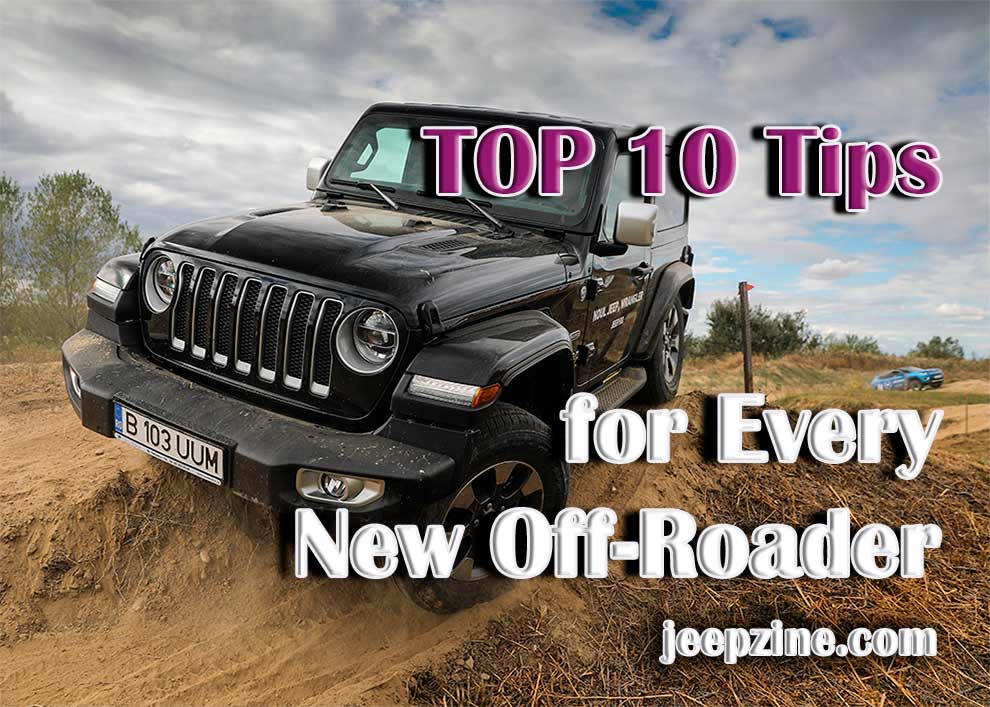

So, you’re ready to embark on your first off-roading trip. And that’s great news, but do you really know what the journey has in store for you? Do you have the right equipment/accessories to face the road? For a novice, it can be pretty hard to figure out exactly what he/she will need to feel safe on an adventure into the wilderness. And that’s exactly why I decided to write this post.
Here, you’ll learn about the most important things to pack with your truck/SUV. Recovery ropes, winches, and air compressors – those are just some of the must-haves for any striving trail-blazer. Without proper gear to back you up in a dire situation, you’ll be stranded in the middle of nowhere! So, if you’re ready to master the 101 of off-roading, let’s get right to it!
Be Prepared for the Muddy Road
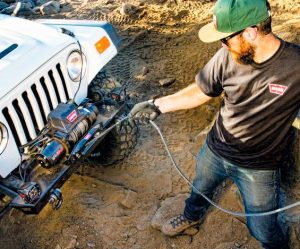 This is the first thing to remember: challenging terrain tends to be muddy, and you’ll only be able to push the vehicle out of it with the right equipment. For that, a winch is the perfect solution. Don’t worry: winches are very easy to use and last forever. All you’ll need to do is find a strong enough tree, rock, or anything else, and wrap the rope around it. So, what does the Best Off Road Winch look like?
In the specs, look for the load capacity. A winch with a 12K pounds capacity should be more than enough for most rough-tough SUVs/trucks. Next, make sure that the package includes all the necessary cables, plus a hook. That’s right: some manufacturers only sell the winch as standalone gear. It would also be good news to see “UV-resistant” and “Waterproof” in the specs. Last, but not least, go for a winch that’s got a high-performance and tear-resistant rope.
Winch vs. Recovery Rope
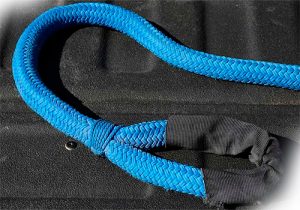 The biggest question here is this: should you go with a winch, of a recovery rope? Let’s take a look at the facts: a winch turns you into a self-sustaining driver. You won’t be depending on another heavy-duty vehicle owner to come and pull you out – a rock or a tree will do just fine. In contrast, even the Best Kinetic Recovery Rope won’t be able to do anything unless there’s another car doing all the pulling.
On the bright side, a recovery rope will cost you less. Plus, it’s easier to keep around. Here’s what you should pay extra attention to when shopping for one: craftsmanship. The material quality, stitching, and design play a key role. Durability and longevity are important as well. And, like a winch, a kinetic recovery rope should have protection against Mother Nature (water, snow, mud, sun rays, and more).
Always keep a Jump Starter in the Back
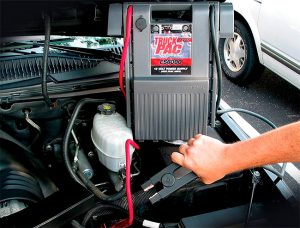 Alright, so, we just learned how to deal with a “sticky situation”. But what about when the battery gives up on you – what is the remedy for that? I’m talking about a situation when there’s not enough charge to get the engine going, and you can’t seem to find a fellow off-roader to lend that helping hand. That’s when a Top Jump Starter can swoop in and save the day. It does exactly what the name suggests: gives the engine the necessary spark to start.
This is important: a diesel jump starter might not work with a gas-powered engine, and vice versa. Keep this in mind so that there’s no confusion when you’re actually on the road and the engine gives up on you. A premium jump starter comes packed with extra-long cables and works with a wide range of vehicles (SUVs, trucks, sedans, and even camping buses/RVs). A powerful flashlight would also come in handy, along with sturdy housing and a strong charge.
Consider investing in an Air Compressor
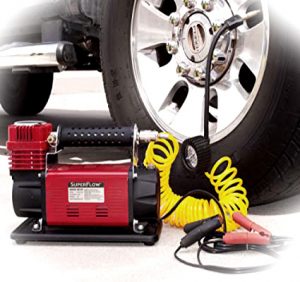 If you’re just getting into off-roading, you might not know the worth of a reliable air compressor. However, flat tires are any lone traveler’s biggest nightmare. And while a backup tire can save the situation, we don’t always keep one around. Besides, what if two, or even more tires go flat – what’s there to do in that situation? The Best Off Road Air Compressor will fix this in the blink of an eye.
And it won’t take it long to bring tires back to life. It should be a portable compressor, of course. The most advanced devices can not only inflate, but also deflate. This is widely used when you’ve got a bigger set of tires. They run better when the air level is a bit lower than the max. Make sure the air compressor is lightweight, durable, and has a storage/carry bag.
Install a Powerful CB Radio
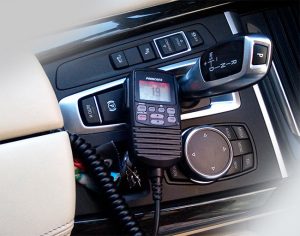 No, I’m not talking about a regular radio to play your favorite tunes – you can do that on the phone. What I’m talking about is a so-called Citizen Band radio. When stuck in the wilderness/a rural location with no Wi-Fi coverage or even a cellphone tower in the vicinity, this device will turn into your best friend. So, what’s the deal here?
A CB radio can be used to get in contact with emergency services and have them send help. Plus, it allows communicating with fellow off-roaders that have similar devices in their own vehicles. Don’t go cheap: buy a radio that’s easy to fit in the interior, has a big, HD screen/LCD, and a friendly, intuitive interface. The best CB radios also have a quick emergency channel and weather broadcasts/alerts.
Get some Flares for the Road
In all fairness, you should do that even when driving to the closest store or taking the kids to school. When stuck with a bad engine or blown tires, a flare is the best way to protect yourself from other cars on the road. That’s right: a roadside flare kit will make it easier for drivers to spot you when it’s dark outside. And, it will create some sort of a safe zone for you, which is also very important.
Pack a First-Aid Med Kit
As for the first-aid med kit, it must at least include some adhesive bandages, an antiseptic, a pair of scissors, and an elastic bandage. I always make sure to include instant cold packs, as they do a good job of slowing the blood flow and keeping swelling to a minimum. These days, it would also be wise to pack some masks in case you can’t avoid getting in contact with people.
What about a Proper Lift Kit?
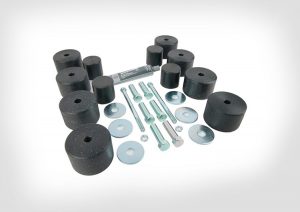 Are you ready to take your off-roading expertise to the next level? Well, I’ve got just the right stuff for you! Even though most amateur off-roaders don’t give this much credit, a Jeep Lift Kit should actually be the #1 purchase on your list. Without it, you won’t be able to install larger tires (33-inches, and bigger). Plus, a lift kit does an excellent job of bringing the factory ride quality and level of control back.
Even if you’re planning on driving with the stock wheels for now, a decent-quality lift kit will still greatly improve the amount of control you have over the road. On top of that, it will eliminate most of the bumps, make it easier to climb steep hills, and conquer uneven terrain.
Make a Habit of Checking Everything
This one’s pretty obvious, but that doesn’t make it any less important. Take a good look at your engine, battery, and tires. Check the engine oil and how much gas you’ve got left. I always pack an extra gallon of gas just in case I get too far away and burn all the fuel in the tank.
Take it Slow
Now that we’ve talked about what you should do, here’s one thing that you should NOT do: don’t rush it. Take it slow and treat your first off-roading trip as a journey, not a competition or an accomplishment. The less you expect from this ride and yourself, the better! Don’t hit that gas pedal too hard and control the speed so that it’s easier to conquer challenging terrain.
Conclusion
That’s about it for today, folks! It’s imperative to know in advance what you’re getting into so that you can come prepared. No matter how experienced a driver can be, there’s no telling what’s gonna happen on the open road. So, make sure you’ve got at least a winch and a jump starter, a first-aid kit, and maybe also an air compressor. There’s nothing worse than being stuck in mud or ending up with deflated tires somewhere in the outskirts.
In this post, I wanted to introduce you to the most important aftermarket gear that can save your life (figuratively and literally) on the road. Plus, we talked about some tried-and-true tips/tricks that can also be of great help. If you want to learn about more third-party equipment, don’t hesitate to ask away in the comments!

Add Comment